From Plastic to Precision Exploring Diesel Fuel Tank Gauge Options
Understanding Diesel Fuel Tank Gauge Indicators
The Importance of Accurate Fuel Measurement
Accurate fuel measurement plays a critical role in managing diesel fuels, especially for industries relying on diesel engines. A precise diesel fuel tank level gauge indicator ensures that operators monitor fuel levels effectively, preventing unexpected downtime or costly overfills. In environments where efficiency is paramount, understanding actual fuel levels allows for better planning and resource allocation. For instance, a farm with multiple diesel-powered tractors requires a consistent supply of fuel. Any discrepancies in measurement can lead to operational delays, affecting productivity in time-sensitive tasks like planting or harvesting. Proper fuel management directly influences efficiency, safety, and cost-effectiveness.
Types of Diesel Fuel Tank Level Gauges
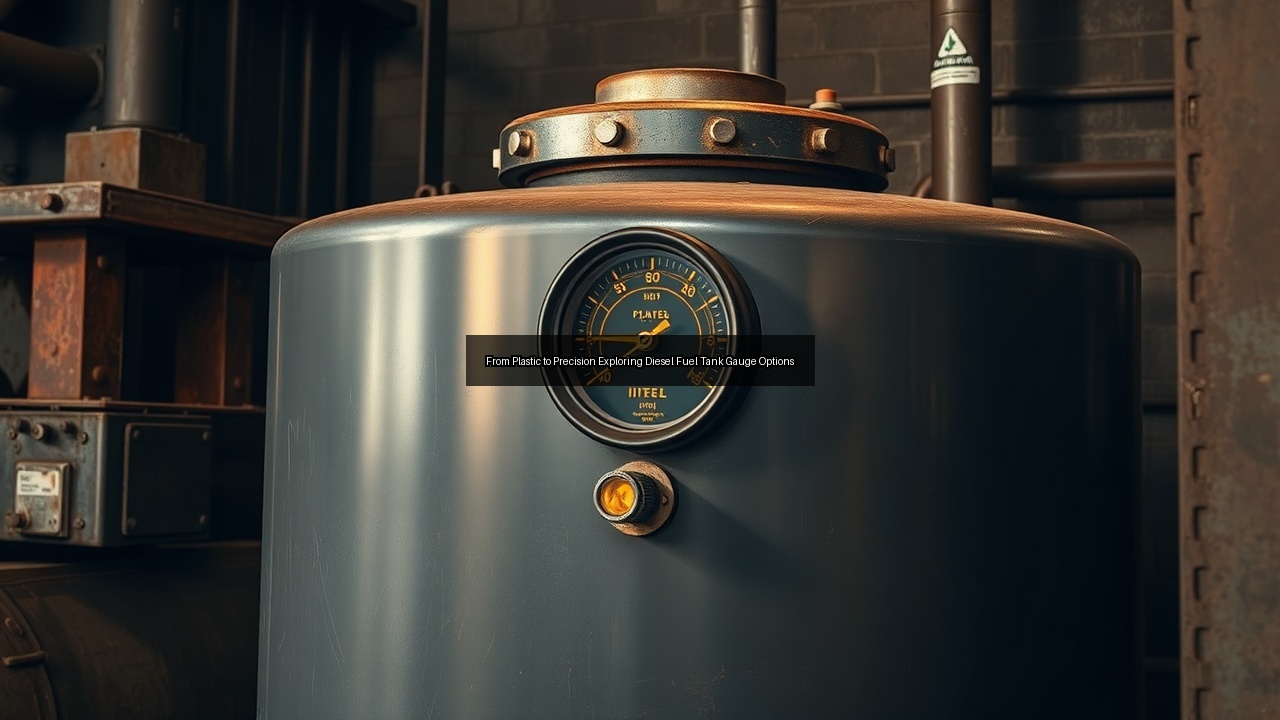
Diesel fuel tank level gauges come in various types, each suited for different applications. Mechanical gauges utilize a float mechanism, providing a straightforward visual display of fuel levels. They are reliable for basic needs but may lack precision. Electronic gauges offer advanced features, often integrating with digital systems for real-time monitoring. These gauges can display fuel levels in gallons and can be calibrated for accuracy, making them ideal for larger operations or those with multiple fueling tanks. Additionally, some gauges combine both technologies, providing redundancy and ensuring accurate readings even if one system fails. Selecting the right type is essential for maintaining operational efficiency.
How Diesel Gauges Work
Understanding how diesel gauges operate can greatly enhance their effectiveness. Mechanical gauges function by utilizing a buoyant float that rises and falls with the fuel level. A connected dial displays the fuel level visually. In contrast, electronic gauges employ level sensors that convert the physical position of the fuel into electronic signals. These signals are processed and displayed on a digital screen, providing a precise reading. Advanced sensors can also offer additional data, such as temperature and density of the diesel fuel, which is crucial for accurate measurement. This technology significantly reduces the chance of human error in reading the gauge and enhances overall fuel management systems.
Evaluating Diesel Fuel Tank Gauge Options
Mechanical vs. Electronic Level Gauges
When evaluating diesel fuel tank gauge options, one must consider the differences between mechanical and electronic level gauges. Mechanical gauges are often simpler and less expensive, making them an appealing choice for smaller operations or for those who prefer straightforward technology. However, they may lack the precision and additional features found in electronic models. Electronic gauges provide detailed readings and can be integrated into broader fuel management systems, allowing users to track usage patterns and optimize fueling schedules. For businesses managing large fleets or requiring high accuracy, electronic options are typically more beneficial, despite a higher initial cost.
Choosing the Right Gauge for Your Fuel Tank
Selecting the appropriate diesel fuel tank level gauge involves assessing various factors, including tank size, application, and operational requirements. For smaller tanks, a mechanical gauge may suffice, offering reliable readings without the need for complex setups. Conversely, larger tanks that support multiple diesel engines might benefit from electronic gauges that allow for remote monitoring and data logging. Consider the environment as well. For example, a farm operating in harsh weather conditions may require rugged, weather-resistant gauges. Additionally, evaluate the gauge’s compatibility with any existing fuel management systems to ensure seamless integration.
Factors Influencing Gauge Selection
Several factors influence the selection of a diesel fuel tank level gauge. First, the type of diesel fuel used can dictate gauge choice. For instance, diesel exhaust fluid requires specific gauges designed to handle its unique properties. Second, consider the tank's location. Tanks exposed to extreme temperatures or weather conditions may need specialized gauges to avoid malfunction. Third, gauge accuracy is paramount; operational downtime caused by inaccurate readings can lead to significant losses. Finally, budget constraints play a crucial role. While advanced electronic gauges offer numerous benefits, the upfront investment must align with the operational budget to justify the expense.
Installation and Maintenance of Diesel Fuel Gauges
Installation Best Practices for Diesel Fuel Gauges
Proper installation of diesel fuel gauges ensures accurate readings and long-term reliability. Begin by selecting a suitable location for the gauge that allows easy visibility and access for routine checks. Follow manufacturer guidelines to ensure the installation meets safety standards, especially when dealing with diesel fuels. Use appropriate sealing materials to prevent leaks, which can compromise gauge accuracy and pose safety hazards. During installation, double-check electrical connections for electronic gauges to avoid malfunctions. After installation, conduct initial testing to confirm the gauge operates correctly under various fuel levels, ensuring that you achieve reliable performance from the outset.
Routine Maintenance to Prevent Downtime
Regular maintenance of diesel fuel gauges is essential for preventing downtime and ensuring optimal performance. Schedule routine inspections to check for wear and tear, especially on mechanical components like floats and seals. Clean any debris or buildup around the gauge to prevent false readings or blockages. For electronic gauges, verify that all connections remain secure and that sensors are calibrated correctly. Implement a maintenance log to track inspections and repairs, helping identify patterns or recurring issues. By prioritizing maintenance, operators can significantly extend the lifespan of their fuel gauges while minimizing the risk of unexpected failures during critical fueling operations.
Troubleshooting Common Issues with Level Sensors
Understanding common issues with diesel fuel level sensors can save valuable time and resources. Problems may arise from inaccurate readings, sensor failure, or electrical malfunctions. For inaccurate readings, first check for obstructions or mechanical wear in the gauge. For electronic systems, inspect the wiring and connections for signs of corrosion diesel fuels tank level gauges indicator or damage. If the gauge fails to respond, consider replacing the sensor or recalibrating the system. Keeping a troubleshooting guide on hand can help operators quickly identify and diesel fuel indicator tank gauge resolve issues, minimizing downtime and maintaining efficient fuel management. Training staff to recognize and address these problems will further enhance operational reliability.
Future Trends in Diesel Fuel Level Gauging Technology
The Role of Smart Technology in Fuel Management
Smart technology is transforming diesel fuel level gauging, introducing advanced features that improve efficiency and accuracy. Innovations such as IoT (Internet of Things) connectivity enable real-time monitoring of fuel levels from remote locations. This capability allows operators to receive alerts when levels drop below a certain threshold, facilitating proactive fueling and reducing the risk of running dry. Furthermore, data analytics can optimize fuel usage patterns, suggesting adjustments to fueling schedules based on historical data. As smart technology becomes more prevalent, it will likely redefine how industries manage their fuel resources, enhancing overall operational efficiency and sustainability.
Environmental Considerations and Innovations
Environmental concerns shape the future of diesel fuel gauging technology, driving innovations aimed at reducing emissions and improving efficiency. Manufacturers are developing more sensitive gauges that can monitor not only fuel levels but also the quality and composition of diesel fuels. By integrating features that detect contaminants or changes in fuel quality, these gauges help ensure that engines operate efficiently while minimizing harmful emissions. Additionally, advancements in materials used for gauges aim to reduce environmental impact, such as using recycled plastics or biodegradable materials, aligning with broader sustainability goals in the industry.
Impact of Weather on Fuel Measurement Systems
Weather conditions significantly influence the performance of diesel fuel measurement systems. Temperature diesel fuel indicator tank gauge fluctuations can affect fuel density, leading to variations in gauge readings. In colder climates, diesel fuels can thicken, impacting flow rates and measurements. Advanced gauges now incorporate temperature compensation features, adjusting readings based on real-time temperature data. Furthermore, weather-resistant designs protect gauges from moisture, ensuring reliability even in harsh conditions. Understanding how weather affects fuel measurement allows operators to select appropriate gauges and implement strategies that enhance accuracy, ensuring operational continuity regardless of external conditions.