How Electropolishing Enhances the Performance of 316L Stainless Steel
The Science Behind Electropolishing 316L Stainless Steel
Understanding the Electropolishing Process
Electropolishing stands as a crucial process in enhancing the performance of 316L stainless steel, a material renowned for its corrosion resistance and strength. This electrochemical method removes a thin layer of material from the surface, creating a smoother and more uniform finish. The process involves immersing the stainless steel product in an electrolyte solution and applying a positive voltage. The electric current facilitates the dissolution of metal ions, effectively polishing the surface while minimizing any potential for contamination. Unlike mechanical polishing, which can introduce scratches and imperfections, electropolishing refines the surface at a microscopic level, ensuring optimal performance in various applications.
How Electropolishing Affects Surface Finish
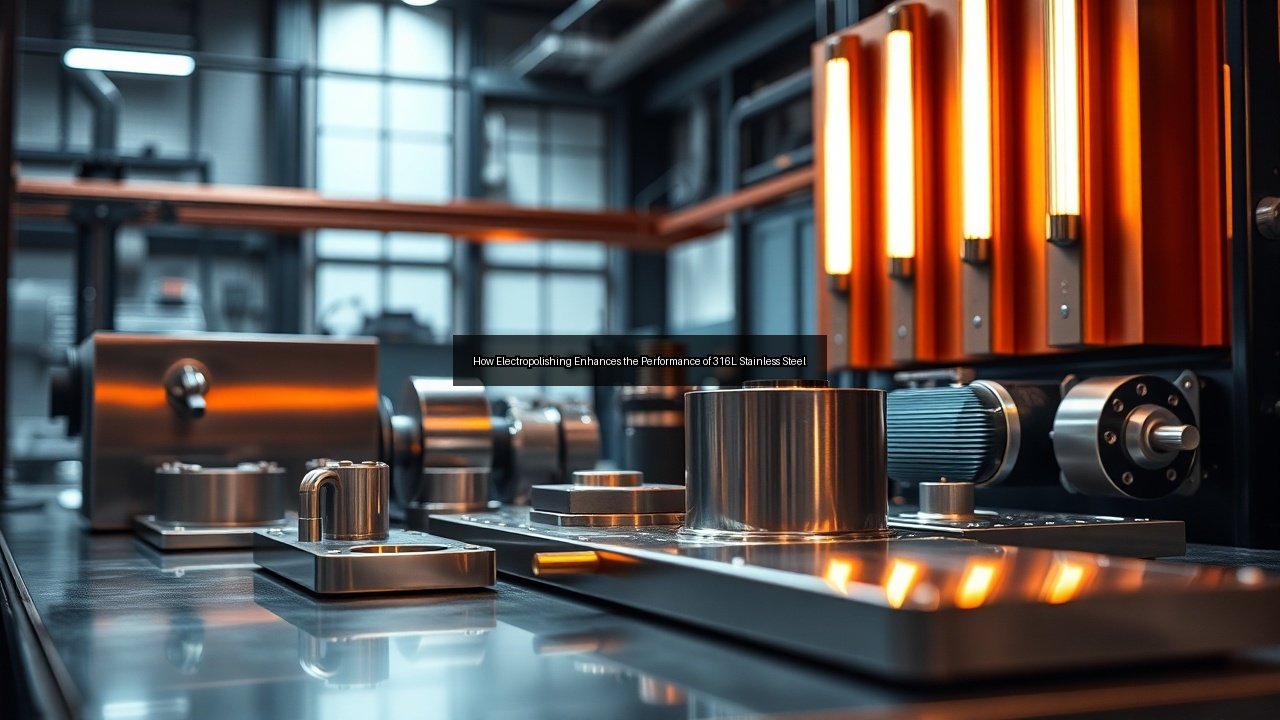
Surface finish plays a vital role in the performance and longevity of stainless steel products. Electropolishing significantly improves the surface finish of 316L stainless steel, transforming it from a rough, uneven state into a sleek, reflective surface. This refined finish not only enhances aesthetic appeal but also contributes to improved functionality. A smoother surface facilitates easier cleaning and maintenance, which is essential in industries like healthcare and food processing. Furthermore, the enhanced surface finish reduces friction and wear, extending the longevity of parts subjected to mechanical stress. By elevating the surface quality, electropolishing effectively enhances the overall performance of stainless steel components.
The Role of Electrolytes in Electropolishing
Electrolytes serve a critical function in the electropolishing process for 316L stainless steel. The choice of electrolyte affects the efficiency and outcome of the polishing process. Common electrolytes include phosphoric acid, sulfuric acid, and mixtures thereof, each offering distinct advantages. These electrolytes facilitate the dissolution of metal ions while ensuring a balanced reaction. The composition of the electrolyte influences the current density, temperature, and overall polishing rate. Proper management of these parameters ensures an effective electropolishing process, yielding superior surface finishes and enhanced corrosion resistance. Selecting the right electrolyte is essential for manufacturers aiming to achieve high-quality electropolished stainless steel products.
Benefits of Electropolishing for 316L Stainless Steel
Enhanced Corrosion Resistance
One of the most significant benefits of electropolishing 316L stainless steel lies in its enhanced corrosion resistance. The process removes contaminants and provides a passive layer that protects the underlying metal from corrosive environments. This is particularly important for applications exposed to harsh chemicals or saline conditions. Electropolished surfaces exhibit fewer crevices and pores, minimizing the potential for corrosion initiation. As a result, components made from 316L stainless steel not only withstand corrosion better but also require less maintenance over time. Industries such as pharmaceuticals and food processing greatly benefit from the improved corrosion resistance, ensuring product integrity and safety.
Improved Aesthetic Appeal
Electropolishing elevates the aesthetic appeal of 316L stainless steel, transforming it into a visually striking material. The sleek, shiny surface resulting from electropolishing enhances the overall appearance of stainless steel products. This polished look is not only attractive but also conveys a sense of quality and professionalism, making it ideal for high-end applications. In industries like architecture and interior design, where visual impact matters, electropolished stainless steel becomes a preferred choice. The smooth finish reflects light beautifully, adding a modern touch to any project. Manufacturers can leverage this aesthetic enhancement to differentiate their products in competitive markets.
Reduced Surface Roughness
Electropolishing significantly reduces surface roughness, a critical factor in the performance of 316L stainless steel components. A smoother surface minimizes friction, making parts operate more efficiently and reducing wear during mechanical interactions. This reduction in surface roughness also facilitates cleaning, an essential factor in industries that prioritize hygiene, such as food and medical sectors. By lowering surface roughness, electropolishing not only enhances the durability of stainless steel products but also contributes to better functionality. Manufacturers that prioritize electropolishing can ensure that their products perform optimally, resulting in longer lifespans and greater customer satisfaction.
Applications of Electropolished 316L Stainless Steel
Use in the Semiconductor Industry
Electropolished 316L stainless steel finds extensive applications in the semiconductor industry, where precision and cleanliness are paramount. The smooth, low-roughness surface minimizes contamination risks during manufacturing processes, essential for producing high-quality semiconductor devices. Electropolishing removes microscopic contaminants that could lead to defects in delicate components. Additionally, the corrosion resistance offered by electropolished surfaces ensures that tools and equipment maintain their performance even in highly reactive environments. Manufacturers in the semiconductor sector rely on electropolished stainless steel to achieve strict cleanliness standards and ensure the reliability of their products.
Engineering and Manufacturing Applications
In engineering and manufacturing, electropolished 316L stainless steel plays a crucial role in creating high-performance components. The enhanced mechanical properties and superior corrosion resistance make it suitable for various applications, from valves and pumps to structural components. Electropolishing ensures that these parts maintain their integrity and performance over time, even in challenging environments. The combination of strength and aesthetic appeal allows manufacturers to produce components that meet both functional and aesthetic requirements. Whether in aerospace, automotive, or industrial applications, electropolished stainless steel components deliver reliability and performance.
Health and Medical Device Standards
The health and medical device industry mandates stringent standards for materials used in devices and equipment. Electropolished 316L stainless steel meets these requirements by providing a clean, smooth surface that minimizes contamination risks. Its corrosion resistance is essential for devices that come into contact with bodily fluids or harsh sterilization processes. Electropolished stainless steel is commonly used in surgical instruments, implants, and medical equipment, where hygiene and durability are non-negotiable. By utilizing electropolishing services, manufacturers ensure that their medical devices comply with regulatory standards while delivering high performance and safety.
Choosing the Right Electropolishing Stainless Steel Services
What to Look for in Electropolishing Manufacturers
When selecting electropolishing stainless steel services, consider several key factors to ensure quality and reliability. Look for manufacturers with a proven track record in the industry and expertise in working with 316L stainless steel. Evaluate their experience with various applications and industries, as this often reflects their understanding of specific challenges and requirements. Additionally, inquire about the technologies and equipment they use, as advanced systems can enhance the efficiency and quality of the electropolishing process. Lastly, customer reviews and testimonials provide valuable insights into the manufacturer's reputation and the quality of their services.
Quality Control in Electropolishing Processes
Quality control plays a vital role in electropolishing processes, influencing the final product's performance and reliability. Manufacturers should implement rigorous quality control measures throughout the electropolishing process. This includes monitoring electrolyte composition, current density, and temperature to ensure consistency and quality. Regular inspections of the finished products help identify any defects or inconsistencies early in the process. Accreditation from relevant industry standards or certifications can also indicate a manufacturer's commitment to quality. By prioritizing quality control, manufacturers can deliver electropolished 316L stainless steel products that meet or exceed customer expectations.
Future Trends in Electropolishing Services
The field of electropolishing services is evolving, driven by technological advancements and changing industry demands. Future trends may include the development of more environmentally friendly electrolytes, reducing the ecological impact of the electropolishing process. Innovations in automation and digital monitoring systems will likely enhance precision and efficiency in electropolishing operations. Additionally, as industries continue to prioritize sustainability and performance, the demand for high-quality electropolished stainless steel products will grow. Manufacturers that adapt to these trends and invest in cutting-edge technologies will stand out in a competitive market, meeting the needs of various sectors.